

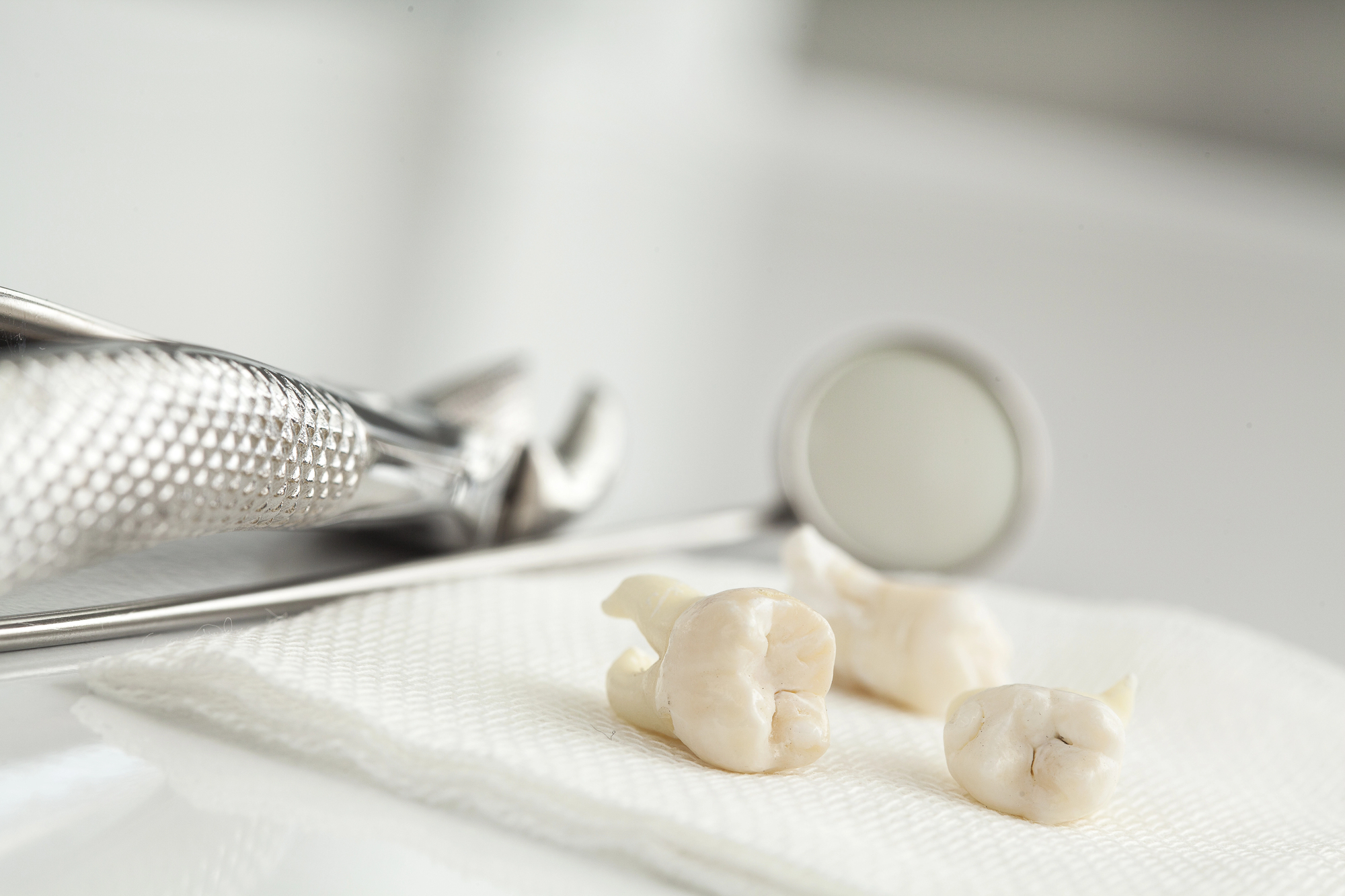
In the quiet architecture of the human mouth, wisdom teeth are the final occupants to arrive. These third molars typically emerge between the ages of 17 and 25, a period often associated with newfound independence and adulthood. Yet despite their symbolic link to maturity, wisdom teeth frequently bring complications rather than clarity. For many Australians, wisdom tooth removal has become a proactive step in safeguarding long-term oral health, often undertaken before discomfort or infection takes hold.
Understanding why this procedure is so common requires a look at both evolution and modern dentistry. Anthropologists suggest that our ancestors had larger jaws capable of accommodating extra molars, which were useful for chewing coarse foods. Over time, as diets softened and human jaws gradually became smaller, the need—and space—for wisdom teeth diminished. Today, the mismatch between jaw size and tooth eruption often leads to crowding, misalignment, or impacted teeth trapped beneath the gums.
The Hidden Risks of Waiting
A wisdom tooth may appear harmless when it first emerges, but problems can develop quietly beneath the surface. When there is insufficient room in the jaw, a wisdom tooth may grow at an angle or remain partially impacted. In these situations, the surrounding gum tissue can form pockets that trap bacteria and food particles. This environment increases the risk of infection, swelling, and gum disease.
Dentists across Australia frequently recommend wisdom tooth removal before these complications escalate. Early removal, particularly in late adolescence or early adulthood, is often simpler because the roots are not yet fully developed and the surrounding bone remains more flexible. Waiting until later in life can make the procedure more complex and prolong recovery time.
Beyond infection, impacted wisdom teeth can also affect neighbouring molars. Pressure from an erupting third molar may contribute to crowding or damage to adjacent teeth, undermining the results of years of orthodontic treatment. In some cases, cysts can form around impacted teeth, potentially harming the jawbone or nearby nerves. These risks highlight why preventive action is often considered the most sensible approach.
The Australian Approach to Preventive Dentistry
Australia’s dental culture strongly emphasises prevention rather than reaction. Regular check-ups, digital X-rays, and early diagnosis allow dentists to monitor the development of wisdom teeth long before symptoms appear. Clinics in cities such as Sydney, Melbourne, and Brisbane routinely assess wisdom teeth during routine examinations for teenagers and young adults.
This preventive philosophy reflects a broader trend within Australian healthcare: addressing potential issues early to avoid more complex treatments later. By identifying problematic wisdom teeth through imaging and clinical examination, dental professionals can recommend wisdom tooth removal at a stage when the procedure is relatively straightforward and recovery is faster.
Understanding the Procedure
Although the phrase “tooth extraction” may sound daunting, modern dentistry has transformed wisdom tooth surgery into a highly controlled and predictable procedure. Depending on the complexity of the case, removal may be performed under local anaesthesia, sedation dentistry, or general anaesthesia in a hospital setting.
During the procedure, the dentist or oral surgeon carefully accesses the tooth, sometimes dividing it into smaller sections to minimise impact on surrounding tissue. Advanced imaging and surgical techniques ensure precision, helping protect nerves and nearby teeth.
For most patients, the procedure is completed within an hour or less, and they return home the same day. While mild swelling and discomfort are normal, effective pain management and careful post-operative care allow most people to resume normal activities within a few days.
Preparation and Recovery Tips for a Smooth Experience
Thoughtful preparation plays a significant role in ensuring a comfortable recovery. Dentists typically provide detailed guidance before surgery, and following these recommendations can greatly improve healing outcomes.
Among the most valuable preparation and recovery tips is planning adequate rest after the procedure. Scheduling a few days away from work, study, or strenuous activity allows the body to focus on healing. Stocking the kitchen with soft foods such as yoghurt, soups, smoothies, and mashed vegetables can also make the first 48 hours easier.
Cold compresses applied to the outside of the jaw help reduce swelling, while prescribed medications or over-the-counter pain relief manage discomfort. Maintaining gentle oral hygiene is equally important. Rinsing with warm saltwater after the first day helps keep the surgical area clean and promotes healing.
Patients are usually advised to avoid smoking, alcohol, and using straws during the early recovery period, as these actions can disrupt the protective blood clot forming in the extraction site. Following these preparation and recovery tips carefully minimises the risk of complications such as dry socket and supports a faster return to normal routines.
Long-Term Benefits for Oral Health
Although wisdom teeth once served a practical purpose, their removal often brings long-term advantages in modern life. By eliminating potential sources of infection, crowding, and gum disease, patients reduce the likelihood of more serious dental problems in the future.
Preventive wisdom tooth removal also protects the health of surrounding teeth, which are far more valuable for daily chewing and long-term function. When managed early, the procedure becomes less about solving a crisis and more about preserving the natural balance of the mouth.
A Proactive Step Toward Lifelong Dental Wellness
In many ways, wisdom teeth represent a relic of humanity’s evolutionary past. While they once played a role in survival, today they often create challenges for oral health. Modern dentistry offers a solution grounded in foresight rather than reaction.
For Australians committed to maintaining strong, healthy smiles, wisdom tooth removal can be a strategic decision—one that prevents complications before they begin. With proper planning, professional care, and practical preparation and recovery tips, the procedure becomes a manageable step toward long-term dental wellbeing.
Ultimately, removing wisdom teeth is not simply about eliminating a troublesome molar. It is about preserving harmony within the mouth, protecting neighbouring teeth, and ensuring that oral health remains strong for decades to come.