

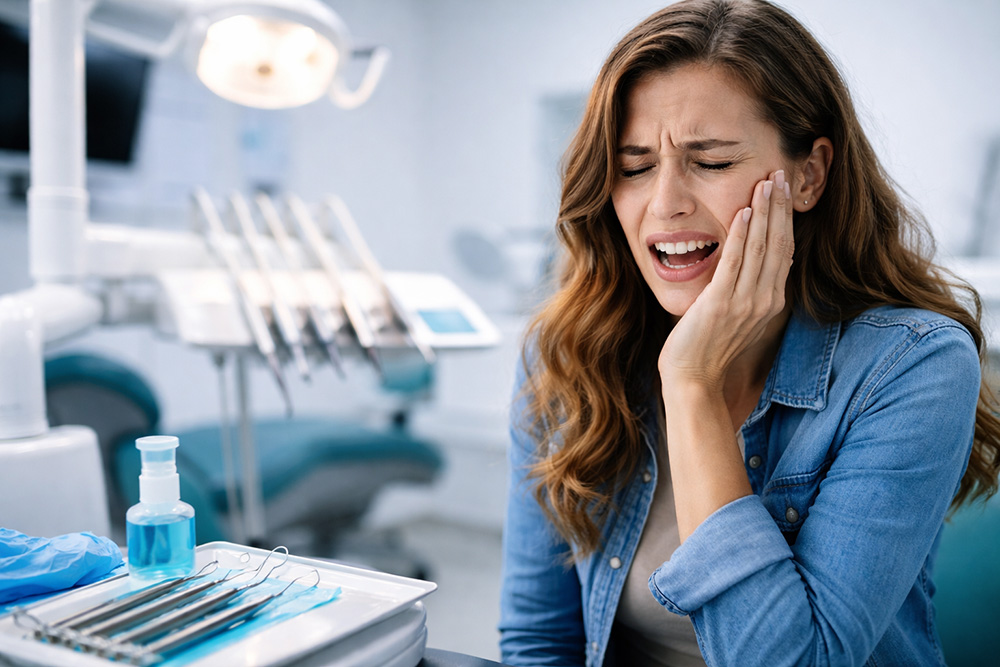
In many Australian homes, dental health is often treated as a routine matter—something addressed during scheduled check-ups every six months. Yet a dental emergency rarely follows a calendar. A cracked tooth during a weekend barbecue, a child’s knocked-out tooth at a Saturday football match, or sudden swelling that develops late at night can quickly turn a normal day into a stressful situation. Knowing how to respond before pain strikes can make the difference between saving and losing a tooth. For Australian households, understanding when to seek an emergency dentist and where to find 24/7 dental care is an essential part of modern health preparedness.
The Hidden Reality of Dental Emergencies
Dental emergencies are more common than many people assume. In Australia, thousands of people visit hospital emergency departments every year for preventable dental conditions. These cases often involve untreated tooth decay, infections, trauma, or fractured teeth. While hospitals can manage severe infections or trauma, they are rarely equipped to provide definitive dental treatment. This is why access to an emergency dentist is crucial.
A dental emergency generally refers to any oral condition that requires immediate professional attention to relieve severe pain, stop bleeding, or prevent permanent damage. Examples include knocked-out teeth, dental abscesses, severe toothaches, broken crowns, and jaw injuries. In these situations, waiting until the next routine appointment can worsen the condition significantly.
Why Timing Matters More Than You Think
One of the most misunderstood aspects of dental emergencies is the role of time. In many cases, prompt treatment can dramatically improve outcomes. For example, a knocked-out tooth has the best chance of survival if it is replanted within 30 to 60 minutes. Similarly, untreated dental infections can spread rapidly into surrounding tissues, potentially leading to serious health complications.
This is where 24/7 dental care becomes invaluable. Dental clinics offering round-the-clock services ensure that Australians do not have to wait until the next business day to receive treatment. Access to immediate care not only reduces pain but also significantly increases the chances of preserving natural teeth.
Common Dental Emergencies in Australian Households
While every dental situation is unique, several emergencies appear frequently across Australian families.
Severe toothache: Often caused by deep decay, infection, or nerve inflammation, intense tooth pain is one of the most common reasons people seek an emergency dentist. Persistent pain usually indicates that the inner pulp of the tooth has been affected.
Knocked-out tooth: Sports injuries, accidents, or falls can cause teeth to be completely dislodged. Immediate action—such as storing the tooth in milk and seeking urgent care—can improve the likelihood of successful reattachment.
Dental abscess: A bacterial infection around the tooth root or gum can create swelling, fever, and intense pain. Without prompt treatment, the infection can spread beyond the mouth.
Broken or cracked teeth: Hard foods, accidents, or weakened enamel can lead to fractures. Even small cracks can expose the inner tooth structure to bacteria.
Lost fillings or crowns: Though less dramatic, these issues can quickly lead to pain or further damage if not treated quickly.
What Every Household Should Do Before an Emergency
Preparation is often overlooked when it comes to dental health. Yet a few simple steps can help families respond calmly and effectively during a crisis.
First, identify a trusted local clinic that offers 24/7 dental care. Saving the contact details of an emergency dentist in your phone ensures you can act immediately when needed. Many Australian dental practices now advertise after-hours services, making access to urgent treatment easier than ever.
Second, create a basic dental emergency kit at home. This might include sterile gauze, a small container with a lid, pain relief medication approved by your doctor, and saline solution. While these items will not replace professional treatment, they can help stabilise a situation temporarily.
Third, educate family members—especially children—about basic dental safety. Wearing mouthguards during sports, avoiding chewing ice or extremely hard foods, and maintaining regular dental visits can dramatically reduce the risk of emergencies.
Technology Is Changing Emergency Dental Care
Australia’s dental sector has seen remarkable technological progress in recent years. Digital imaging, same-day crowns, and advanced infection management techniques allow an emergency dentist to diagnose and treat urgent cases faster than ever before.
Some clinics now utilise artificial intelligence-assisted imaging to detect fractures or infections more accurately. Others offer tele-dentistry consultations, allowing patients to receive immediate advice before travelling to a clinic for 24/7 dental care. These innovations reduce uncertainty and improve patient outcomes, particularly in urgent situations.
Rural and Regional Challenges
While metropolitan areas such as Sydney, Melbourne, and Brisbane have strong networks of emergency dental providers, access can be more limited in rural and regional communities. Long travel distances and limited clinic hours can delay treatment for residents outside major cities.
For this reason, many regional Australians rely on a combination of local clinics and larger urban providers offering 24/7 dental care. Public health initiatives are also expanding mobile dental services and after-hours programs to help bridge this gap.
The Cost of Ignoring Dental Emergencies
Ignoring dental pain rarely leads to resolution. Instead, problems tend to escalate. What begins as a minor cavity may progress into a severe infection requiring root canal treatment or extraction. Beyond physical discomfort, untreated dental issues can impact nutrition, sleep, productivity, and overall wellbeing.
From an economic perspective, early intervention by an emergency dentist is often far more affordable than complex procedures required later. In other words, responding quickly is not only medically wise but financially sensible.
Building a Culture of Dental Preparedness
Australians are well known for preparing for bushfires, storms, and other emergencies. Yet dental preparedness is rarely discussed in the same way. By recognising dental emergencies as genuine health events—and knowing where to find 24/7 dental care—households can respond confidently when problems arise.
Ultimately, the goal is not simply to treat pain but to protect long-term oral health. A proactive approach—combining prevention, education, and access to a reliable emergency dentist—ensures that when the unexpected happens, Australian families are ready.