

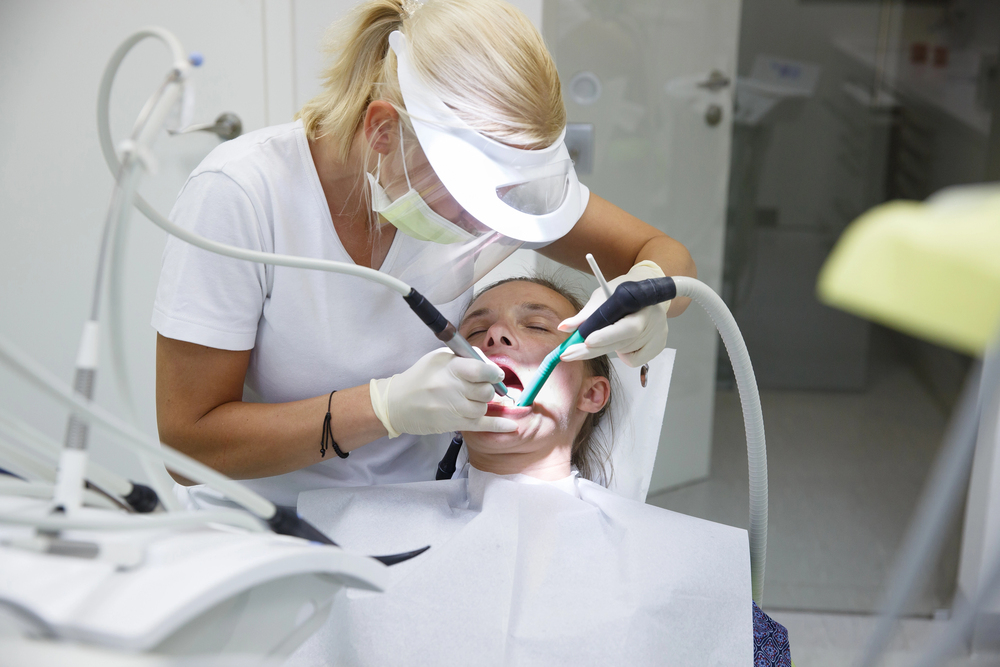
In modern Australian dentistry, the conversation around saving teeth has shifted from a purely procedural focus to a more philosophical one: how do we preserve what is naturally irreplaceable? Within this evolving mindset, Root Canal Therapy has emerged not merely as a treatment, but as a form of biological conservation—an attempt to protect the integrity of the natural smile against infection, decay, and structural loss.
At its core, root canal therapy is often misunderstood as a last resort or a painful inevitability. In reality, it is a precise, tissue-preserving intervention designed to remove infected or inflamed pulp from within a tooth while maintaining the outer structure. In Australia, where preventive dentistry has become increasingly sophisticated, this procedure plays a crucial role in reducing extractions and supporting long-term oral health outcomes. The emphasis is no longer just on treating pain, but on preserving function, aesthetics, and the psychological continuity of one’s natural smile.
A natural smile is not simply an arrangement of teeth; it is a record of identity. Each tooth carries subtle contributions to speech, facial structure, and self-expression. When a tooth is lost, the effects ripple outward—bone resorption begins, adjacent teeth shift, and even facial proportions can subtly change over time. Root canal therapy interrupts this cascade by allowing a compromised tooth to remain anchored in its biological position, effectively halting the domino effect of structural decline.
One of the most overlooked dimensions of dental anxiety is not the procedure itself, but the narratives surrounding it. Patients often arrive with fears shaped by outdated experiences or second-hand stories. In Australia, contemporary dental practice has responded with improved anaesthesia, digital imaging, and minimally invasive techniques that have significantly redefined patient comfort. Yet perception still lags behind reality.
This is where communication becomes as important as clinical skill. Educating patients that root canal therapy is designed to relieve pain—not cause it—has become central to modern dental care. The infected pulp that necessitates the procedure is often the true source of discomfort, sometimes manifesting as persistent throbbing, temperature sensitivity, or spontaneous pain. By removing this source, the treatment often brings immediate relief rather than prolonged distress.
For adults over 30, this concern often intersects with broader life priorities—career stability, appearance, financial planning, and long-term health. Dental decisions are rarely isolated; they are embedded within the larger context of adult responsibility. Choosing root canal therapy, therefore, is not just a clinical decision but an investment in continuity: maintaining the ability to eat comfortably, speak clearly, and smile without hesitation.
Beyond physical discomfort, there is also a psychological layer that shapes patient decision-making. Among dental professionals, it is widely acknowledged that one of the most common concerns for adults over 30 is nerve injury. This concern is not entirely unfounded, but it is frequently misunderstood. The fear typically stems from conflating natural nerve sensitivity within a tooth with systemic nerve damage elsewhere in the body. In practice, modern endodontic techniques are designed with extreme precision to isolate and treat only the affected internal structures of the tooth, while protecting surrounding tissues and nerves.
From a biological standpoint, preserving the natural tooth through root canal therapy also has measurable advantages. A treated tooth, when properly restored with a crown or filling, can function for decades. This longevity is particularly significant in a country like Australia, where preventative healthcare messaging strongly emphasises reducing avoidable surgical interventions and maintaining natural tissue wherever possible. Dental implants, while highly effective, do not fully replicate the periodontal ligament system that allows a natural tooth to adapt to bite forces. In contrast, a successfully treated natural tooth retains this adaptive capacity.
There is also an ecological argument that rarely enters mainstream discussion: preserving natural teeth reduces the need for manufactured replacements and repeated procedural cycles over a lifetime. While this is not the primary driver of treatment decisions, it reflects a broader shift in healthcare thinking—towards sustainability, conservation, and biological respect.
The success of root canal therapy is deeply dependent on timing. Early intervention significantly increases the likelihood of preserving the tooth structure and avoiding complications. Delayed treatment, on the other hand, can allow infection to spread to surrounding bone, making preservation more difficult. In this sense, the procedure is not only reactive but preventative in its long-term impact.
Technological advancements in Australian dentistry have further refined outcomes. Rotary instruments, digital radiography, and 3D imaging allow for a level of precision that was not possible a generation ago. These tools reduce procedural time, improve accuracy, and enhance the predictability of results. As a result, what was once perceived as complex and unpredictable has become a highly controlled and routine part of dental care.
Ultimately, root canal therapy represents a quiet but profound shift in how we understand dental preservation. It reflects a move away from the idea that damaged teeth must be removed, and toward a more nuanced philosophy: that preservation, when possible, is often the most intelligent form of treatment.
In preserving a natural tooth, we are not merely maintaining a functional unit of chewing. We are protecting a piece of anatomical history, sustaining facial harmony, and supporting long-term oral health stability. In doing so, we reaffirm a central principle of modern dentistry in Australia—that the most effective smile is not the newest or the most artificial, but the one that has been carefully preserved through informed, precise, and compassionate care.