

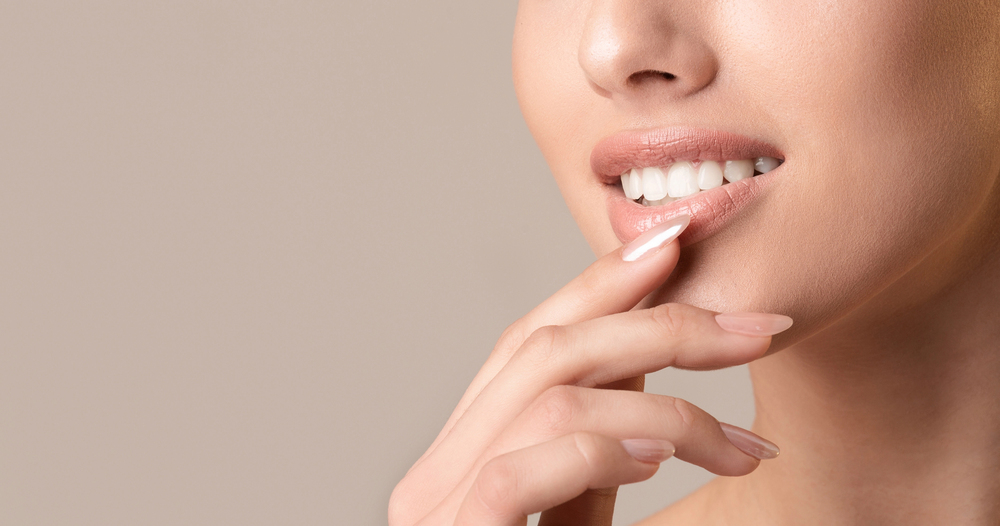
Across Australia, cosmetic dentistry is no longer confined to the pursuit of vanity or occasional aesthetic correction. It has evolved into a cultural expression of wellbeing, self-presentation, and social confidence. As Australian lifestyle trends shift toward wellness optimisation, digital visibility, and preventative self-care, the demand for cosmetic dental procedures continues to rise in both metropolitan and regional settings. At the centre of this transformation are dentists who now operate not only as clinical practitioners but also as interpreters of modern identity and lifestyle aspirations.
One of the most significant drivers of this change is Australia’s growing wellness culture. Australians increasingly view health as a holistic concept—one that integrates physical fitness, mental wellbeing, and appearance. Within this framework, oral health has gained new symbolic importance. A healthy smile is no longer simply a marker of hygiene; it is associated with vitality, discipline, and emotional wellbeing. This cultural shift has naturally expanded the role of dentists, who are now frequently consulted not only for restorative care but also for aesthetic enhancements such as whitening, veneers, alignment correction, and smile design.
Social media has also profoundly reshaped perceptions of beauty and self-image. Platforms driven by visual content have amplified the importance of facial aesthetics, with smiles becoming a central feature of personal branding. In a digital environment where first impressions are often formed through photographs and video calls, individuals are more conscious of how their teeth appear under various lighting conditions and camera angles. This heightened awareness has directly influenced cosmetic dentistry demand, as patients seek treatments that align their real-world appearance with their curated digital identities.
Economic confidence and lifestyle mobility have also played a role. Australia’s urban professionals, particularly in cities like Sydney, Melbourne, and Brisbane, are increasingly investing in self-improvement services that offer both emotional and professional returns. Cosmetic dental treatments are perceived as high-value investments that enhance career confidence and interpersonal communication. In industries where presentation and communication are essential, a refined smile can subtly influence perceptions of competence, approachability, and trustworthiness.
Technological advancements in dentistry have further accelerated this demand. Modern diagnostic tools, digital smile design systems, and minimally invasive techniques have transformed the patient experience. Treatments that once required extended recovery periods are now more efficient, predictable, and comfortable. This technological evolution has helped reduce psychological barriers associated with dental procedures, encouraging more Australians to explore cosmetic options earlier in life rather than delaying intervention until later stages.
In addition, the influence of Australian lifestyle aesthetics—rooted in natural beauty, outdoor living, and understated elegance—has shaped the type of cosmetic outcomes patients seek. Rather than overly artificial results, there is a growing preference for subtle, harmonious enhancements that preserve individuality. This trend has encouraged dentists to adopt a more artistic and personalised approach, balancing symmetry, proportion, and natural colouration to achieve results that feel authentic rather than manufactured.
Urban identity also plays a crucial role in shaping cosmetic dentistry trends. In Brisbane, for example, rapid urban development, a flourishing café culture, and an increasingly globalised workforce have contributed to a heightened focus on appearance and lifestyle presentation. Within this environment, the phrase “modernity and vitality in the heart of Brisbane” captures a broader cultural sentiment: the desire to reflect contemporary confidence while maintaining a relaxed, approachable aesthetic. Cosmetic dentistry in such urban contexts is often positioned as part of a broader lifestyle upgrade rather than a purely medical intervention.
At the same time, the normalization of preventive aesthetic care has shifted patient expectations. Younger Australians, in particular, are more proactive in seeking early cosmetic interventions to maintain long-term dental aesthetics. This generational shift reflects a broader cultural movement toward maintaining rather than repairing appearance. As a result, dentists are increasingly offering long-term smile planning strategies that integrate both functional and aesthetic considerations over time.
Workplace culture has also evolved in ways that support cosmetic dental demand. Hybrid working environments, increased video conferencing, and global connectivity have intensified the visibility of facial expressions, particularly smiles. This has subtly reinforced the importance of dental aesthetics in professional communication. A confident smile is now seen as part of digital professionalism, further embedding cosmetic dentistry into everyday life decisions.
Importantly, the rise in demand is not purely aesthetic—it is deeply psychological. Studies in behavioural science suggest that improvements in dental appearance can enhance self-esteem, social engagement, and perceived quality of life. Australians seeking cosmetic dental treatments are often motivated by a combination of emotional wellbeing and external presentation. This dual motivation reinforces the idea that cosmetic dentistry sits at the intersection of health, identity, and lifestyle design.
Ultimately, the increasing demand for cosmetic dentistry in Australia reflects a broader cultural narrative: the integration of health, aesthetics, and self-expression in everyday life. As lifestyles continue to evolve toward greater visual awareness, digital interaction, and wellness orientation, dentists will remain central figures in shaping how individuals present themselves to the world. In this context, cosmetic dentistry is not simply about altering smiles—it is about aligning personal identity with the modern rhythms of Australian life, where confidence, authenticity, and appearance coexist as essential elements of wellbeing.