

Australia’s evolving beauty culture has shifted away from perfection and toward something far more nuanced: wellbeing that feels authentic, sustainable, and deeply personal. In this landscape, oral health is no longer treated as a separate medical category hidden behind sterile clinic walls. It has become part of a broader conversation about confidence, emotional wellbeing, professional identity, and the psychology of self-image. Among the treatments shaping this transformation, composite veneers have emerged as one of the most discussed cosmetic dental options for Australians seeking balance between aesthetics and practicality.
What makes this trend fascinating is not merely the popularity of cosmetic dentistry itself, but the cultural philosophy surrounding it. Australians increasingly approach dental enhancement not as a dramatic reinvention, but as a refinement of what already exists. The modern smile is expected to look healthy, natural, and believable rather than aggressively artificial. This distinction reveals a deeper societal shift: beauty wellness is becoming less about hiding flaws and more about aligning external appearance with internal confidence.
In many ways, the smile has become the emotional centrepiece of contemporary self-presentation. Social interaction today unfolds across physical and digital environments simultaneously. Video meetings, social media imagery, professional branding, and even casual smartphone photography continually place facial expressions under observation. Teeth, once considered a minor cosmetic concern, now influence how people interpret vitality, trustworthiness, and energy.
Research in behavioural psychology consistently shows that smiling affects not only how individuals are perceived, but how they perceive themselves. A person who feels insecure about chipped, stained, or uneven teeth may unconsciously suppress emotional expression. Over time, this hesitation can influence communication habits, workplace confidence, and social participation. Cosmetic dental procedures therefore occupy a curious space between healthcare and emotional wellness.
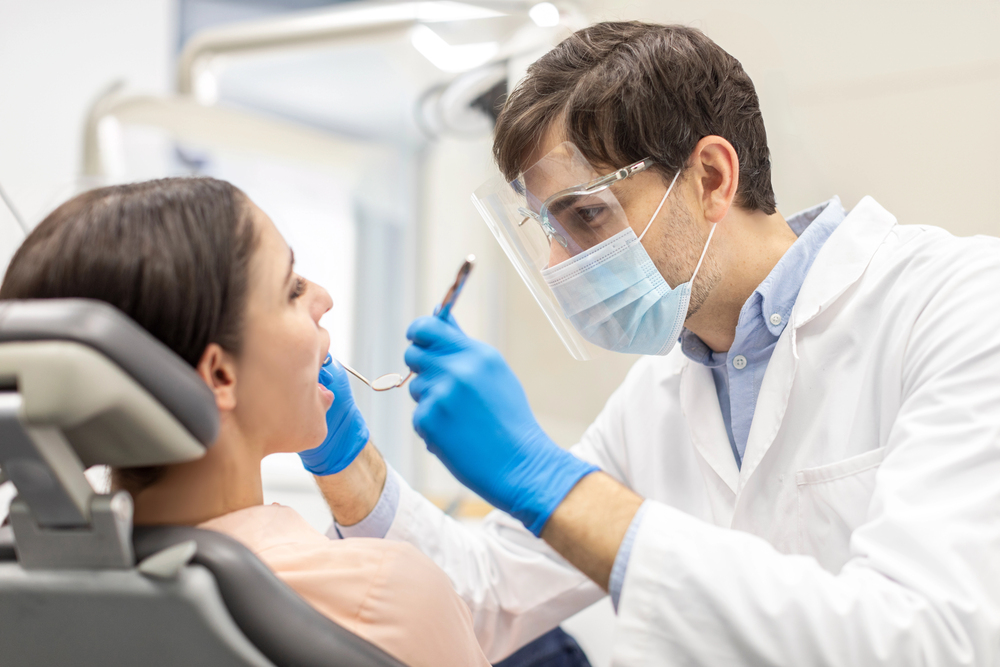
This is partly why composite veneers resonate strongly within Australia’s modern wellness culture. Unlike more invasive procedures, composite veneers offer an approach that often preserves more natural tooth structure while still delivering meaningful aesthetic improvement. The treatment involves applying tooth-coloured composite resin directly to the teeth, allowing dentists to sculpt and reshape the smile with remarkable precision.
For many Australians, the appeal lies in flexibility. The treatment can address discolouration, minor gaps, uneven edges, and worn enamel without requiring the extensive preparation commonly associated with porcelain alternatives. This conservative philosophy aligns closely with broader Australian healthcare values, where minimally invasive solutions are increasingly preferred whenever clinically appropriate.
The rise of wellness-oriented dentistry also reflects changing attitudes toward preventative care. Historically, cosmetic treatments were often pursued only after visible dental deterioration had occurred. Today, many Australians integrate dental care into a larger self-maintenance routine that includes fitness, nutrition, skincare, and mental wellbeing. A smile is no longer viewed merely as cosmetic decoration; it is considered part of holistic health presentation.
Interestingly, the cultural symbolism of teeth has evolved as well. Previous decades often associated cosmetic dentistry with celebrity excess or unattainable glamour. Contemporary Australian aesthetics instead favour subtlety. Patients frequently request smiles that appear refreshed rather than obviously altered. Dentists report growing demand for natural translucency, facial harmony, and personalised smile design instead of uniform “Hollywood white” results.
This movement reflects a broader rejection of standardised beauty ideals. Australians increasingly value individuality, and cosmetic dentistry has adapted accordingly. Modern smile enhancement is less about manufacturing perfection and more about restoring congruence between appearance and personality. A confident smile is expected to complement a person’s identity rather than overpower it.
Urban centres have become important hubs for this evolution in aesthetic dentistry. A visit to Sydney often exposes travellers to the city’s strong wellness culture, where cosmetic medicine, luxury skincare, fitness, and advanced dental care intersect within a highly image-conscious yet health-aware environment. Sydney’s dental industry has become particularly influential in promoting techniques that blend cosmetic artistry with preventative oral healthcare.
Yet the popularity of veneers also raises important ethical conversations. The increasing visibility of cosmetic enhancement through influencer culture and digital media can create unrealistic expectations, particularly among younger demographics. Responsible Australian dentists therefore emphasise education alongside aesthetics. A healthy smile cannot rely solely on cosmetic procedures; it requires ongoing oral hygiene, regular dental examinations, balanced nutrition, and realistic treatment goals.
This ethical dimension matters because self-image is psychologically complex. Cosmetic improvements may enhance confidence, but lasting wellbeing rarely comes from appearance alone. Research in positive psychology suggests that self-esteem grows most sustainably when external changes are paired with internal self-acceptance. The healthiest cosmetic outcomes often occur when patients seek enhancement rather than transformation.
Australia’s modern dental landscape increasingly reflects this understanding. Consultations today often involve detailed discussions about facial proportions, lifestyle habits, oral function, and long-term maintenance rather than focusing exclusively on colour or symmetry. This comprehensive approach positions dentistry as part of broader beauty wellness rather than isolated cosmetic intervention.
Technology has also accelerated this cultural shift. Digital smile simulations, advanced imaging systems, and minimally invasive materials allow patients to visualise potential outcomes with greater accuracy than ever before. This transparency encourages collaborative decision-making between patient and clinician, reducing uncertainty and helping individuals pursue results aligned with their personal identity.
At its core, the Australian perspective on cosmetic dentistry reveals something larger about contemporary beauty itself. The goal is no longer simply to look younger or more attractive. Increasingly, people seek coherence — the feeling that their outward appearance reflects how they wish to move through the world. A healthy smile becomes part of emotional presence, social ease, and personal authenticity.
In that sense, the growing interest in composite veneers is not merely a cosmetic trend. It is part of a broader cultural movement where oral health, mental wellbeing, confidence, and self-expression intersect. The smile has become more than an aesthetic feature; it is now understood as a visible language of vitality, identity, and human connection in modern Australian life.