

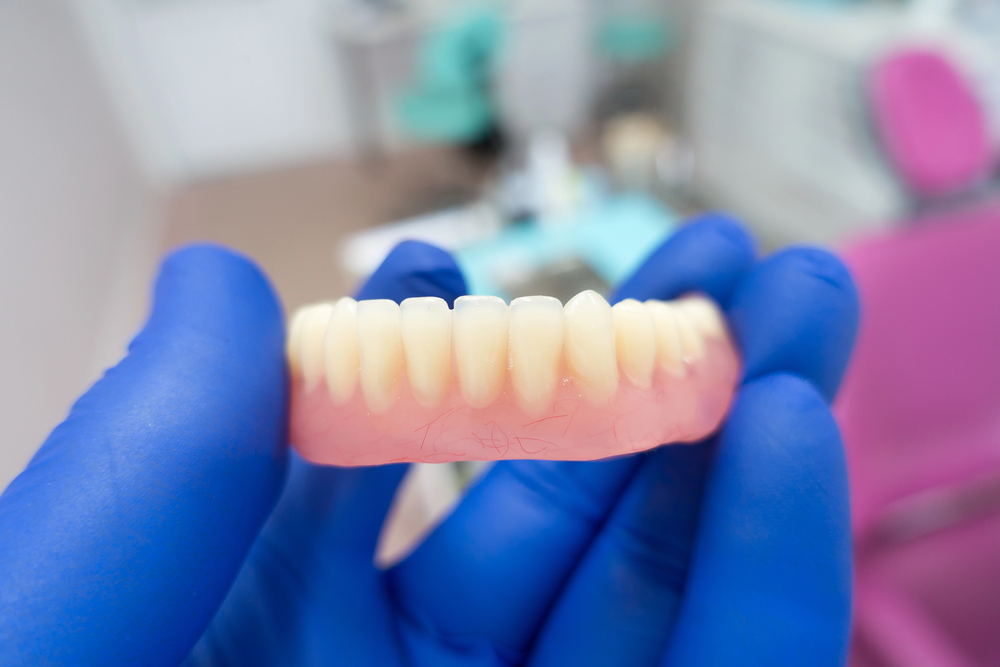
Australian cosmetic dentistry is undergoing a quiet transformation. For decades, conversations around dental aesthetics focused primarily on whiter teeth, straighter smiles, and minimally invasive veneers. Today, however, patients are beginning to ask deeper questions. They want longevity, function, comfort, and emotional confidence — not merely cosmetic perfection. In this evolving landscape, overdentures are reshaping expectations by merging restorative science with modern lifestyle demands.
The rise of overdentures reflects a broader cultural shift in oral healthcare across Australia. Patients are increasingly aware that oral wellbeing is connected to nutrition, speech, mental health, and ageing gracefully. Cosmetic dentistry is no longer viewed as vanity alone; it has become part of preventative healthcare and long-term quality of life.
Unlike traditional removable dentures, overdentures are stabilised using retained tooth roots or dental implants, allowing patients to experience greater chewing strength, facial support, and confidence in social settings. Their appeal lies not only in appearance but also in restoring dignity and daily comfort. In many Australian practices, overdentures are now positioned as a bridge between restorative dentistry and modern aesthetic care.
One of the most profound changes introduced by overdentures is the redefinition of what patients expect from tooth replacement. Earlier generations often accepted discomfort, slippage, or dietary limitations as inevitable consequences of ageing. Modern patients are far less willing to compromise. They expect natural movement, improved speech, and a smile that integrates seamlessly into their personal and professional lives.
This shift is particularly visible among active older Australians. Many retirees today maintain vibrant lifestyles filled with travel, fitness, and social engagement. As a result, cosmetic dentistry has adapted to support functionality alongside beauty. Overdentures offer a practical response to these expectations because they preserve jawbone integrity more effectively than conventional dentures and provide a more stable fit over time.
The psychological impact is equally significant. Tooth loss has long carried emotional consequences that extend beyond physical discomfort. Patients frequently describe feeling older than they are, withdrawing from public interactions, or avoiding photography and conversation. By improving stability and aesthetics, overdentures help restore a sense of identity that traditional removable appliances often fail to provide.
Interestingly, the popularity of overdentures is also influencing how Australians think about preventative care earlier in life. Dentists increasingly use restorative treatments as educational opportunities, showing patients how decades of oral habits ultimately shape long-term outcomes. This naturally leads to discussions about the importance of early childhood dental care and how prevention begins long before adulthood.
The connection may seem indirect at first. Yet the future need for complex restorative procedures often stems from patterns established in childhood — untreated decay, inconsistent hygiene routines, sugary diets, and dental anxiety formed at an early age. The importance of early childhood dental care becomes clearer when viewed through the lens of lifelong oral preservation. Preventative education during childhood can significantly reduce the likelihood of severe tooth loss later in life.
Australian dental professionals are increasingly emphasising this continuity of care. Cosmetic dentistry clinics are no longer isolated from broader health conversations. Instead, they are participating in a holistic model where preventive care, orthodontics, restorative treatments, and cosmetic outcomes are interconnected stages of the same journey.
This holistic perspective has also influenced technological innovation. Digital smile design, 3D scanning, and implant planning software now allow clinicians to customise overdentures with remarkable precision. Patients can preview aesthetic outcomes before treatment begins, helping them feel more informed and emotionally secure throughout the process. The result is a treatment experience that feels collaborative rather than clinical.
At the same time, overdentures are challenging outdated assumptions about ageing itself. Historically, tooth loss was often accepted as a normal part of growing older. Contemporary dentistry rejects this narrative. Australians are increasingly embracing the idea that oral health can remain functional and aesthetically pleasing well into later life. Overdentures symbolise this change because they prioritise preservation and rehabilitation instead of resignation.
The economic dimension is also worth noting. While overdentures may involve higher upfront costs than traditional dentures, many patients view them as a long-term investment in comfort and wellbeing. Reduced maintenance issues, improved stability, and enhanced confidence often outweigh the initial expense. As awareness grows, more Australians are considering advanced restorative solutions earlier rather than waiting until oral deterioration becomes severe.
This evolving mindset may eventually reshape public perceptions of cosmetic dentistry itself. Rather than being associated solely with appearance, cosmetic procedures are increasingly understood as tools for preserving confidence, communication, and social participation. Overdentures embody this transition because their benefits extend far beyond aesthetics alone.
The future of Australian dentistry will likely become even more preventive, personalised, and psychologically aware. Treatments will continue moving away from one-size-fits-all solutions toward approaches that respect both functional health and emotional wellbeing. In that environment, overdentures are not merely a technical innovation — they represent a philosophical shift in how oral care is valued.
Perhaps the most important lesson emerging from this transformation is that oral health is cumulative. The choices made in childhood, the habits formed in adulthood, and the restorative options pursued later in life are all connected. The growing attention given to the importance of early childhood dental care alongside advanced restorative solutions like overdentures reflects a healthcare culture that increasingly sees dentistry as a lifelong continuum rather than a series of isolated treatments.
In many ways, overdentures are redefining modern expectations because they acknowledge a simple truth: people do not merely want replacement teeth. They want continuity — the ability to eat comfortably, smile naturally, speak confidently, and maintain a sense of self throughout every stage of life.