

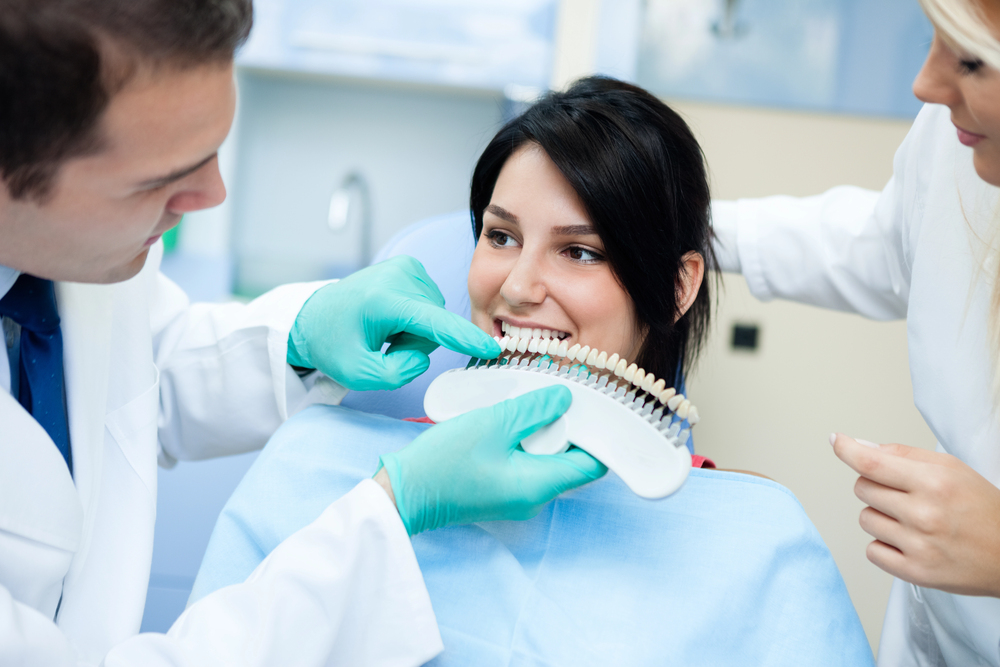
When people think about missing teeth, the conversation often revolves around appearance. A gap in a smile is visible, and modern dentistry offers effective solutions to restore that appearance. Yet the true value of dental crown and bridge treatments extends far beyond aesthetics. These restorations influence how people eat, communicate, socialize, and even how they perceive themselves in daily life. In many ways, they represent an investment in lifestyle, confidence, and long-term oral wellbeing.
Modern dental care increasingly recognizes that oral health is not isolated from overall quality of life. A healthy smile affects professional interactions, personal relationships, nutrition, and emotional wellness. Dental crowns and bridges are therefore not merely replacements for damaged or missing teeth—they are tools that help restore the routines and experiences that make everyday living enjoyable.
One of the most immediate lifestyle benefits is the restoration of natural function. Missing teeth can make chewing difficult, causing individuals to avoid certain foods altogether. Crunchy vegetables, nuts, fruits, and lean proteins may become uncomfortable or impractical to eat. Over time, this can limit dietary variety and potentially influence nutritional choices. By restoring the ability to chew efficiently, dental crowns and bridges enable patients to enjoy a wider range of foods, supporting both health and lifestyle satisfaction.
Communication is another often-overlooked aspect of oral health. Teeth play a critical role in forming sounds and maintaining clear speech. Missing teeth, particularly those at the front of the mouth, can affect pronunciation and create self-consciousness during conversations. Whether presenting in a meeting, participating in social events, or simply talking with friends, confidence in communication matters. Dental restorations help individuals speak more naturally, allowing them to engage comfortably without worrying about speech difficulties or visible gaps.
The psychological impact of a complete smile is equally significant. Human beings naturally respond to facial expressions, and smiles are among the most powerful forms of non-verbal communication. Research consistently shows that people often associate healthy smiles with confidence, approachability, and wellbeing. While appearance should never define a person’s value, feeling comfortable with one’s smile can positively influence self-esteem and social engagement.
This confidence often creates a ripple effect across multiple areas of life. Someone who previously avoided photographs, public speaking, or social gatherings due to concerns about missing teeth may find renewed willingness to participate. The restoration becomes more than a dental procedure—it becomes a catalyst for reconnecting with experiences that were once approached with hesitation.
From a long-term oral health perspective, dental crowns and bridges also contribute to preserving structural balance within the mouth. Teeth work together as a coordinated system. When one tooth is lost, neighbouring teeth may gradually shift into the empty space. This movement can alter bite alignment, create cleaning challenges, and increase strain on surrounding teeth. By filling gaps and reinforcing weakened teeth, dental crowns help maintain proper function and support the stability of the entire dental arch.
Interestingly, the conversation surrounding restorative dentistry is increasingly intersecting with broader environmental awareness. As healthcare industries explore more responsible practices, the concept of sustainable dentistry is gaining momentum. Sustainable dentistry focuses on reducing waste, conserving resources, and selecting durable treatment options that support long-term oral health.
Dental crowns and bridges align with many principles of sustainable dentistry because of their longevity and preventive value. High-quality restorations are designed to function effectively for many years when supported by good oral hygiene and regular dental care. Their durability can reduce the need for repeated interventions, helping conserve both clinical resources and patient investment over time.
Furthermore, preserving existing tooth structure whenever possible reflects an important sustainability principle. Rather than allowing damaged teeth to deteriorate to the point of extraction, restorative treatments can often extend the life of natural teeth. This emphasis on preservation mirrors a broader shift toward healthcare approaches that prioritize maintenance and conservation rather than replacement alone.
Technology is also reshaping how restorative treatments contribute to sustainable dentistry. Digital scanning, computer-aided design, and precision manufacturing can reduce material waste and improve treatment accuracy. These advancements often create restorations that fit more precisely, enhancing patient comfort and supporting long-term outcomes. As dental technology evolves, the connection between patient care and environmental responsibility continues to strengthen.
The value of dental crowns and bridges ultimately lies in their ability to restore normalcy. They help people enjoy meals without discomfort, speak with clarity, smile without hesitation, and maintain oral health for years to come. While replacing missing teeth remains their primary purpose, the broader impact reaches into nearly every aspect of daily life.
A smile is more than a collection of teeth. It is part of how people express emotion, build relationships, and engage with the world around them. By restoring function, protecting oral health, and supporting confidence, dental crowns and bridges offer benefits that extend well beyond the dental chair. In an era where both personal wellbeing and sustainable dentistry are increasingly valued, these restorations represent a practical and meaningful investment in a healthier, more fulfilling lifestyle.